A Guide For Overcoming Anxiety Together
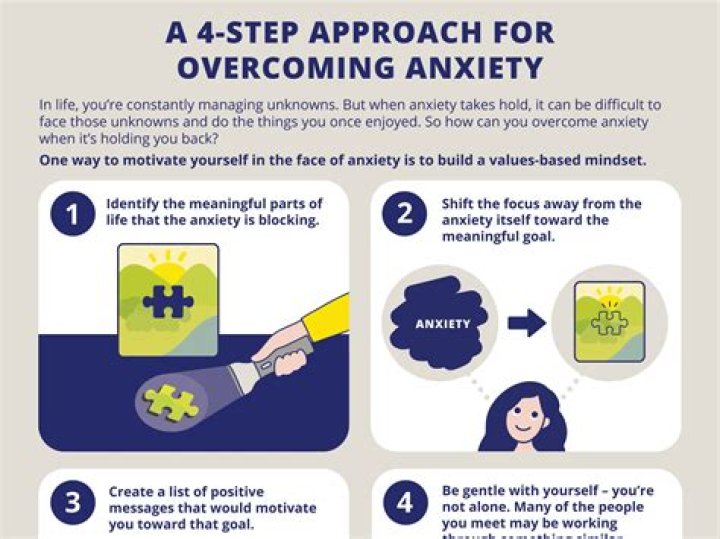
Scott Anxiety Couple describes an anxiety disorder experienced by some couples, characterized by excessive, irrational fear about finances, work, health, and/or their relationship. For instance, a couple with this disorder may obsess over job security or financial stability, resulting in significant stress and relationship strain.
Scott Anxiety Couple can significantly impact individuals and relationships. It can lead to avoidance behaviors, conflict, and diminished intimacy. However, with professional help and support, couples can learn coping mechanisms to manage their anxiety. Historically, this disorder gained recognition in the 1980s, highlighting the importance of mental health within romantic relationships.
This article delves into the causes, symptoms, and treatments for Scott Anxiety Couple. By providing a comprehensive understanding, we aim to empower individuals and couples to address this disorder effectively and foster healthy, fulfilling relationships.
Scott Anxiety Couple
Essential aspects of Scott Anxiety Couple provide a comprehensive understanding of this disorder, its impact on individuals and relationships, and effective strategies for management. These aspects explore various dimensions, including symptoms, causes, treatments, and coping mechanisms.
- Symptoms: Excessive worry, irrational fears, relationship strain
- Causes: Genetics, personality traits, life experiences
- Treatments: Cognitive-behavioral therapy, medication
- Coping mechanisms: Communication, problem-solving, stress management
- Relationship impact: Avoidance, conflict, diminished intimacy
- Individual impact: Stress, anxiety, impaired functioning
- Historical context: Recognition in the 1980s, growing awareness
- Prevention: Relationship education, stress management techniques
These aspects are interconnected, with symptoms influencing relationship dynamics and treatment choices. Understanding these aspects enables couples to identify and address their anxiety effectively, fostering healthier, more fulfilling relationships. By providing a deeper understanding of Scott Anxiety Couple, we empower individuals and couples to seek support, manage their anxiety, and strengthen their bond.
Symptoms
Symptoms of Scott Anxiety Couple can manifest in various forms, including excessive worry, irrational fears, and relationship strain. These symptoms can significantly impact the well-being of individuals and their relationships.
- Excessive Worry: Constant and exaggerated concerns about finances, health, work, or the relationship itself, often leading to difficulty concentrating and making decisions.
- Irrational Fears: Unfounded and intense fears about specific situations or objects, such as fear of losing a job or being abandoned by a partner.
- Relationship Strain: Anxiety-related behaviors, such as avoidance, constant reassurance-seeking, or emotional outbursts, can create tension and conflict within the relationship.
These symptoms are interconnected and can feed off each other, creating a cycle of anxiety and relationship distress. Excessive worry can lead to irrational fears, which in turn can strain the relationship. Relationship strain can then exacerbate anxiety, perpetuating the cycle. Understanding these symptoms and their impact on Scott Anxiety Couple is crucial for developing effective management strategies.
Causes
Scott Anxiety Couple is influenced by a complex interplay of factors, including genetics, personality traits, and life experiences. Genetic predisposition can increase an individual's vulnerability to anxiety disorders, including Scott Anxiety Couple. Certain personality traits, such as neuroticism and perfectionism, are also associated with an increased risk of developing this disorder.
Life experiences, particularly those involving significant stress or trauma, can contribute to the development of Scott Anxiety Couple. For example, couples who have experienced financial difficulties, job loss, or relationship problems may be more likely to develop excessive anxiety about these issues.
Understanding the causes of Scott Anxiety Couple is crucial for developing effective prevention and treatment strategies. Identifying genetic and personality risk factors can help couples take proactive steps to manage their anxiety. Life experiences, while not always controllable, can be addressed through therapy and support systems to mitigate their impact on anxiety levels. By gaining a comprehensive understanding of the causes of Scott Anxiety Couple, couples can work towards reducing the severity of symptoms and improving their overall well-being.
Treatments
In addressing Scott Anxiety Couple, effective treatments play a pivotal role in managing excessive anxiety and improving relationship dynamics. Among the most prevalent and successful treatment approaches are cognitive-behavioral therapy and medication, each targeting specific aspects of the disorder.
- Cognitive-behavioral therapy (CBT): CBT focuses on identifying and changing maladaptive thought patterns and behaviors that contribute to anxiety. In the context of Scott Anxiety Couple, CBT helps couples recognize and challenge irrational fears, practice relaxation techniques, and develop coping mechanisms for managing anxiety triggers.
- Medication: Anti-anxiety medications, such as selective serotonin reuptake inhibitors (SSRIs), can provide relief from the physiological symptoms of anxiety, such as rapid heart rate, sweating, and muscle tension. Medication can be particularly beneficial in reducing the severity of anxiety symptoms, allowing couples to engage more effectively in therapy and improve their overall functioning.
The choice of treatment or combination of therapies depends on the specific needs and preferences of each couple. Cognitive-behavioral therapy addresses the underlying thought patterns and behaviors that perpetuate anxiety, while medication provides symptomatic relief. Together, these treatments offer a comprehensive approach to managing Scott Anxiety Couple and promoting relationship well-being.
Coping mechanisms
In managing Scott Anxiety Couple, coping mechanisms play a vital role in reducing anxiety levels and improving relationship dynamics. Among the most effective coping mechanisms are communication, problem-solving, and stress management.
Effective communication involves open and honest dialogue between partners, allowing them to express their concerns, fears, and needs. This fosters understanding, empathy, and a sense of shared responsibility in addressing anxiety triggers. Problem-solving skills enable couples to work together to identify and develop strategies for managing specific anxiety-provoking situations, building resilience and reducing avoidance behaviors.
Stress management techniques, such as relaxation exercises, mindfulness meditation, and regular physical activity, help couples regulate their physiological and emotional responses to anxiety. By adopting these coping mechanisms, couples can mitigate the impact of anxiety on their relationship and enhance their overall well-being.
In conclusion, coping mechanisms are crucial for managing Scott Anxiety Couple. They empower couples to communicate effectively, solve problems collaboratively, and manage stress, thereby reducing anxiety levels and strengthening their relationship. Understanding and implementing these coping mechanisms is essential for couples seeking to overcome Scott Anxiety Couple and cultivate a healthy, fulfilling partnership.
Relationship impact
Scott Anxiety Couple significantly impacts relationships, often leading to avoidance, conflict, and diminished intimacy. These three facets are interconnected and can create a vicious cycle that strains the relationship and hinders its growth.
- Avoidance: Anxiety can lead partners to avoid situations or conversations that trigger their fears. This can result in social isolation, decreased communication, and a lack of shared experiences.
- Conflict: Anxiety can make partners more irritable and reactive. They may misinterpret each other's intentions or overreact to minor disagreements, leading to frequent arguments and unresolved conflicts.
- Diminished intimacy: Anxiety can create emotional distance between partners. They may withdraw emotionally or physically, fearing vulnerability or rejection. This can lead to a lack of closeness, affection, and sexual intimacy.
These relationship impacts can take a toll on the couple's overall well-being and satisfaction. Avoidance, conflict, and diminished intimacy can erode trust, damage communication, and ultimately threaten the stability of the relationship. By understanding these impacts, couples can proactively address their anxiety and work towards building a healthier, more fulfilling relationship.
Individual impact
Scott Anxiety Couple not only strains the relationship but also significantly impacts individuals. This impact manifests in various forms, including stress, anxiety, and impaired functioning, affecting their overall well-being and quality of life.
- Physiological impact: Anxiety can lead to physical symptoms such as increased heart rate, muscle tension, and difficulty sleeping, affecting overall health and energy levels.
- Emotional distress: Excessive worry and irrational fears can lead to feelings of helplessness, hopelessness, and intense emotional distress, hindering emotional stability and well-being.
- Cognitive impairment: Anxiety can impair concentration, memory, and decision-making abilities, affecting work performance, academic pursuits, and daily functioning.
- Social withdrawal: Anxiety can lead to avoidance of social situations, isolation, and withdrawal from activities and relationships, negatively impacting social connections and overall quality of life.
These individual impacts are interconnected and can perpetuate a cycle of distress, affecting both the individual and the relationship. Understanding these impacts is crucial for couples to seek support and implement effective coping mechanisms to manage anxiety and improve their overall well-being.
Historical context
In the 1980s, the mental health community witnessed a pivotal recognition of Scott Anxiety Couple as a distinct anxiety disorder. This recognition marked a significant departure from previous understandings of anxiety disorders, which primarily focused on individual experiences.
The growing awareness of Scott Anxiety Couple highlighted the unique challenges faced by couples where both partners experience excessive anxiety. This recognition enabled mental health professionals to develop specialized treatment approaches tailored to the specific needs of these couples. Moreover, it fostered a greater understanding of the dynamics and impact of anxiety within romantic relationships.
Real-life examples abound, illustrating the profound impact of Scott Anxiety Couple. One such example is the case of Emily and David, a couple who sought therapy due to constant worry and fear about their finances and relationship. Through therapy, they gained insights into the underlying causes of their anxiety and developed coping mechanisms to manage it effectively, leading to significant improvements in their relationship.
Understanding the historical context of Scott Anxiety Couple is crucial for several reasons. Firstly, it provides a foundation for comprehending the evolution of our understanding of anxiety disorders. Secondly, it underscores the importance of recognizing the unique challenges faced by couples with anxiety, guiding the development of effective treatment approaches. Finally, it emphasizes the need for ongoing research and education to further our understanding and support for couples affected by this disorder.
Prevention
Prevention plays a crucial role in mitigating the impact of Scott Anxiety Couple. Relationship education and stress management techniques are fundamental components of prevention, as they equip couples with the knowledge and skills necessary to manage anxiety and promote relationship well-being.
Relationship education programs focus on enhancing communication, conflict resolution, and emotional regulation skills. By fostering open and effective communication, couples can better express their needs, understand each other's perspectives, and work together to resolve conflicts. Stress management techniques, such as relaxation exercises, mindfulness meditation, and physical activity, help couples manage physiological and emotional responses to anxiety, reducing its overall impact on their relationship.
Real-life examples demonstrate the positive effects of prevention strategies. One such example is the case of Sarah and Michael, a couple who participated in a relationship education program. Through the program, they learned to communicate their concerns effectively, recognize and challenge negative thought patterns, and practice stress management techniques. As a result, they experienced a significant reduction in anxiety levels and an improvement in their relationship satisfaction.
The practical applications of this understanding are vast. By integrating relationship education and stress management techniques into their lives, couples can proactively address factors that contribute to anxiety and build a stronger foundation for their relationship. These strategies can be implemented through workshops, online courses, or self-help books, making them accessible to couples seeking support.
In conclusion, our exploration of Scott Anxiety Couple reveals the intricate interplay between anxiety and romantic relationships. Key findings suggest that excessive anxiety can lead to avoidance, conflict, and diminished intimacy within the couple, significantly impacting their overall well-being.
Understanding the root causes, symptoms, and effective coping mechanisms for Scott Anxiety Couple is crucial for couples seeking to address this challenge. By recognizing the signs and seeking professional help, couples can work together to develop personalized strategies for managing anxiety and strengthening their relationship.
Sarita vara biography age height husband net
Is baseball pitcher nathan eovaldi italian everything
Jeff tietjens net worth now after divorce