Why Damar Hamlin's Injury Sparked A Super Bowl Controversy
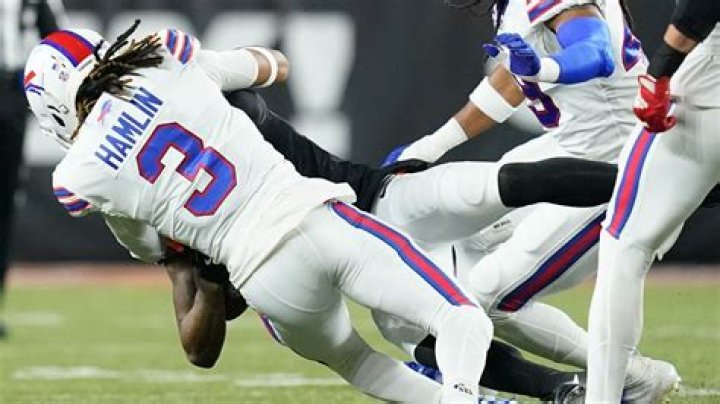
Why Damar Hamlin's Controversial Super Bowl refers to the public discourse surrounding the Buffalo Bills safety's sudden cardiac arrest during the 2023 AFC Divisional Round playoff game against the Cincinnati Bengals. Hamlin's collapse on the field and his subsequent recovery sparked conversations about the safety and risks associated with professional football.
The controversy surrounding Hamlin's injury highlights the importance of player safety in sports and has led to calls for increased medical oversight and improved protocols for managing cardiac emergencies on the field. The incident also brought attention to the role of race and discrimination in sports, as some critics argued that Hamlin's collapse received more attention than similar incidents involving Black players.
This article will explore the various dimensions of the controversy surrounding Damar Hamlin's on-field collapse, examining its impact on player safety, public perception of football, and the ongoing issues of race and representation in sports.
Why Damar Hamlin's Controversial Super Bowl
The controversy surrounding Damar Hamlin's on-field collapse during the 2023 AFC Divisional Round playoff game highlights several key aspects related to player safety, public perception of football, and the ongoing issues of race and representation in sports.
- Player Safety
- Medical Oversight
- Cardiac Emergencies
- Public Perception
- Risk Assessment
- Racial Disparities
- Media Coverage
- Social Media Reactions
- Long-Term Health Implications
These aspects are interconnected and have a significant impact on the overall understanding of the controversy surrounding Damar Hamlin's injury. For example, the lack of adequate medical oversight and protocols for managing cardiac emergencies on the field raises concerns about player safety and the potential for similar incidents in the future. Additionally, the racial disparities in media coverage and public perception of Hamlin's injury compared to similar incidents involving Black players highlight the ongoing issues of race and representation in sports.
Damar Hamlin Bio
| Name | Damar Romeyelle Hamlin |
| Born | March 24, 1998 (age 25) |
| Hometown | McKees Rocks, Pennsylvania |
| Position | Safety |
| Team | Buffalo Bills |
| College | University of Pittsburgh |
| Draft | 2021 NFL Draft, Round 6, Pick 212 |
Player Safety
Player safety is a paramount concern in the wake of Damar Hamlin's on-field collapse. The incident has raised questions about the adequacy of medical oversight and protocols for managing cardiac emergencies on the field, as well as the long-term health implications for players who suffer such injuries.
- Medical Oversight
The level of medical oversight and the quality of emergency care available at sporting events can have a significant impact on player safety. In Hamlin's case, the prompt and effective medical attention he received is credited with saving his life. However, questions have been raised about whether all sporting events have adequate medical personnel and equipment on hand to handle similar emergencies. - Cardiac Screening
Cardiac screening is an important tool for identifying players who may be at risk for sudden cardiac arrest. Hamlin had no known history of heart problems, but it is possible that a more thorough cardiac screening could have detected an underlying condition that contributed to his collapse. - Playing Surface Conditions
The condition of the playing surface can also impact player safety. In Hamlin's case, some have speculated that the hard, frozen turf may have contributed to the severity of his injury. This highlights the need for careful attention to field conditions to minimize the risk of player injuries. - Long-Term Health Implications
Players who suffer cardiac arrest or other serious injuries may face long-term health challenges. Hamlin is fortunate to have made a full recovery, but other players may not be so lucky. It is important to consider the long-term health implications of injuries when assessing player safety.
The issue of player safety is complex and multifaceted, involving a range of factors from medical oversight to playing surface conditions. By addressing these issues, we can help to ensure that players are better protected from serious injuries and that the game of football can be played as safely as possible.
Medical Oversight
Medical oversight refers to the systems and practices in place to ensure the health and safety of athletes during sporting events. In the context of "Why Damar Hamlin's Controversial Super Bowl", medical oversight is a crucial aspect that has come under scrutiny following Hamlin's on-field collapse and subsequent cardiac arrest.
- Emergency Response
Emergency response protocols are essential for ensuring that athletes receive prompt and effective medical attention in the event of a serious injury or medical emergency. These protocols should include clear guidelines for recognizing and responding to cardiac arrest, as well as for providing other emergency medical care. - Medical Personnel
The presence of qualified medical personnel at sporting events is vital for providing immediate medical care to injured athletes. This includes physicians, nurses, and athletic trainers who are trained in emergency medical care and have the necessary equipment to stabilize injured athletes and transport them to a hospital if necessary. - Medical Equipment
Adequate medical equipment is essential for providing emergency medical care on the field. This includes equipment such as defibrillators, oxygen tanks, and stretchers. The availability of this equipment can make a significant difference in the outcome of a medical emergency. - Cardiac Screening
Cardiac screening can help to identify athletes who may be at risk for sudden cardiac arrest. This screening should include a thorough medical history, physical examination, and electrocardiogram (ECG). Athletes who are found to be at risk for sudden cardiac arrest may be advised to avoid strenuous activity or may be prescribed medication to reduce their risk.
These are just a few of the key aspects of medical oversight that are relevant to the controversy surrounding Damar Hamlin's on-field collapse. By ensuring that adequate medical oversight is in place, we can help to protect athletes from serious injuries and ensure that they receive the best possible care in the event of a medical emergency.
Cardiac Emergencies
Cardiac emergencies are a critical component of "Why Damar Hamlin's Controversial Super Bowl" because they highlight the importance of player safety and the need for adequate medical oversight in sports. Hamlin's on-field collapse and subsequent cardiac arrest brought attention to the potential risks associated with professional football and the need for improved protocols for managing cardiac emergencies on the field.
Cardiac emergencies can occur when the heartbeating, which can lead to death if not treated immediately. In Hamlin's case, he suffered a cardiac arrest after being hit in the chest during a tackle. The prompt medical attention he received, including CPR and defibrillation, is credited with saving his life.
The controversy surrounding Hamlin's injury has led to calls for increased medical oversight and improved protocols for managing cardiac emergencies on the field. This includes ensuring that there are adequate medical personnel and equipment available at sporting events, as well as developing clear guidelines for recognizing and responding to cardiac arrest.
By raising awareness of cardiac emergencies and the importance of player safety, Hamlin's injury has helped tochange in the way that cardiac emergencies are managed in sports. This is a positive development that could help to save lives in the future.
Public Perception
Public perception plays a crucial role in "Why Damar Hamlin's Controversial Super Bowl" because it shapes the way that the public understands and reacts to the incident. Hamlin's on-field collapse and subsequent cardiac arrest sparked a wide range of public reactions, from concern and sympathy to criticism and debate.
One of the most significant effects of public perception is its influence on the media coverage of an event. In the case of Hamlin's injury, the extensive media coverage helped to raise awareness of the incident and the issues surrounding player safety in football. However, the media's portrayal of Hamlin's injury and the subsequent controversy can also shape public opinion and influence the way that the public perceives the incident.
Public perception can also have a direct impact on the decisions made by policymakers and sports organizations. For example, the public outcry over Hamlin's injury led to calls for increased medical oversight and improved protocols for managing cardiac emergencies on the field. This pressure from the public can help to drive change and improve player safety in football.
In conclusion, public perception is a critical component of "Why Damar Hamlin's Controversial Super Bowl" because it shapes the way that the public understands and reacts to the incident, influences media coverage, and can drive change in policy and practice. By understanding the role of public perception, we can better understand the controversy surrounding Hamlin's injury and its implications for player safety in football.
Risk Assessment
Risk assessment plays a crucial role in understanding "Why Damar Hamlin's Controversial Super Bowl" because it helps identify and evaluate the potential risks associated with football, particularly in the wake of Hamlin's on-field collapse and cardiac arrest. By assessing these risks, we can develop strategies to mitigate them and improve player safety.
- Injury Risk Assessment
Injury risk assessment involves evaluating the likelihood and severity of potential injuries that can occur during football games. This includes assessing factors such as the type of play, the position of the player, and the player's injury history. Injury risk assessment can help teams develop strategies to reduce the risk of injuries, such as implementing proper training techniques, providing players with protective gear, and monitoring players for signs of fatigue or injury.
- Cardiac Risk Assessment
Cardiac risk assessment is specifically concerned with evaluating the risk of sudden cardiac arrest in athletes. This involves screening athletes for underlying heart conditions that may increase their risk of cardiac arrest, such as hypertrophic cardiomyopathy or arrhythmias. Cardiac risk assessment can help identify athletes who may need further evaluation or who may be advised to avoid strenuous activity.
- Environmental Risk Assessment
Environmental risk assessment considers the potential risks associated with the environment in which football games are played. This includes factors such as weather conditions, field conditions, and the presence of obstacles or hazards on the field. Environmental risk assessment can help teams develop strategies to mitigate these risks, such as postponing games in severe weather, ensuring that fields are properly maintained, and removing potential hazards from the field.
- Equipment Risk Assessment
Equipment risk assessment evaluates the potential risks associated with the equipment used in football games. This includes assessing the safety of helmets, pads, and other protective gear. Equipment risk assessment can help teams identify and address any potential safety issues with equipment, such as ensuring that helmets meet safety standards and that pads provide adequate protection.
By conducting comprehensive risk assessments, teams can better understand and manage the potential risks associated with football. This can help to improve player safety and reduce the likelihood of serious injuries or medical emergencies on the field.
Racial Disparities
Racial disparities are a significant component of "Why Damar Hamlin's Controversial Super Bowl" because they highlight the unequal treatment and outcomes that Black athletes face in sports, including football. Hamlin's on-field collapse and subsequent cardiac arrest brought attention to the racial disparities in media coverage, public perception, and medical care that Black athletes often experience.
One of the most striking examples of racial disparities in the wake of Hamlin's injury was the disproportionate media coverage compared to similar incidents involving Black players. Hamlin's injury received extensive coverage from major media outlets, while similar injuries to Black players have often been overlooked or downplayed. This disparity in coverage reflects the systemic racism that exists in the media and contributes to the perception that Black athletes' lives and experiences are less valued than those of white athletes.
Racial disparities also extend to the medical care that Black athletes receive. Studies have shown that Black athletes are more likely to be misdiagnosed or undertreated for injuries than white athletes. This disparity in care can have serious consequences, as it can lead to delayed or inadequate treatment, which can worsen injuries and even lead to death. In the case of Hamlin, the prompt and effective medical care he received is credited with saving his life. However, it is important to recognize that not all Black athletes are as fortunate, and that racial disparities in medical care continue to put Black athletes at risk.
The racial disparities that exist in sports are a serious problem that needs to be addressed. By understanding the causes and effects of racial disparities, we can work to create a more just and equitable environment for all athletes.
Media Coverage
Media coverage played a crucial role in shaping the public's understanding of "Why Damar Hamlin's Controversial Super Bowl." The extensive and often sensationalized coverage of Hamlin's on-field collapse and subsequent cardiac arrest highlighted the power of the media to influence public opinion and drive the narrative surrounding major events.
- Initial Reporting
The initial reporting of Hamlin's injury was characterized by a sense of urgency and concern. Media outlets scrambled to provide updates on his condition, often relying on unverified sources and speculation. This initial coverage set the tone for the subsequent media frenzy and contributed to the public's anxiety and fear.
- Sensationalism
As the story developed, some media outlets engaged in sensationalism and hyperbole in their coverage of Hamlin's injury. Graphic images and videos of the incident were widely circulated, and some commentators speculated on Hamlin's chances of survival without having access to accurate information. This sensationalism served to heighten public emotions and contribute to the overall controversy surrounding the incident.
- Racial Disparities
The media coverage of Hamlin's injury also highlighted the racial disparities that exist in sports reporting. Hamlin's injury received extensive coverage from major media outlets, while similar injuries to Black players have often been overlooked or downplayed. This disparity in coverage reflects the systemic racism that exists in the media and contributes to the perception that Black athletes' lives and experiences are less valued than those of white athletes.
- Long-Term Impact
The media coverage of Hamlin's injury will have a long-term impact on the way that the public perceives the NFL and the sport of football. The incident has raised questions about player safety and the adequacy of medical oversight in the NFL. It has also led to a broader discussion about the role of race and representation in sports media.
In conclusion, the media coverage of Damar Hamlin's on-field collapse was a complex and multifaceted phenomenon. The initial reporting, sensationalism, racial disparities, and long-term impact all played a role in shaping the public's understanding of the incident and its implications for the NFL and the sport of football.
Social Media Reactions
Social media reactions played a significant role in "Why Damar Hamlin's Controversial Super Bowl." The immediate and widespread outpouring of support, concern, and prayers on social media platforms following Hamlin's on-field collapse helped raise awareness of the incident and galvanized the public's attention. The use of social media by Hamlin's family, teammates, and fans to share updates on his condition and express their emotions contributed to the overall narrative surrounding the incident.
Furthermore, social media reactions served as a platform for discussing the broader issues raised by Hamlin's injury, including player safety, racial disparities in sports coverage, and the role of the media in shaping public perception. The use of hashtags such as #PrayForDamar and #BillsMafia united people across social media platforms, creating a sense of community and support during a time of crisis.
The practical applications of understanding the connection between social media reactions and "Why Damar Hamlin's Controversial Super Bowl" include the ability to harness the power of social media for positive change. By leveraging social media platforms to raise awareness of important issues, mobilize support, and foster dialogue, individuals and organizations can make a meaningful impact on
Long-Term Health Implications
The long-term health implications of Damar Hamlin's on-field collapse and cardiac arrest are a major concern following his controversial Super Bowl appearance. While Hamlin has made a remarkable recovery, the potential for long-term health issues cannot be overlooked.
- Cardiac Health
After suffering a cardiac arrest, Hamlin may experience ongoing heart problems such as arrhythmias or heart failure. These conditions can require medication or surgery and can impact his overall health and well-being.
- Cognitive Impairment
Cardiac arrest can lead to brain damage due to lack of oxygen. This can result in cognitive impairment, memory loss, and difficulty with thinking and problem-solving.
- Physical Limitations
Hamlin may experience physical limitations due to muscle loss or nerve damage as a result of his cardiac arrest. These limitations could affect his mobility, strength, and coordination.
- Mental Health
Going through a traumatic event such as a cardiac arrest can have a significant impact on mental health. Hamlin may experience anxiety, depression, or post-traumatic stress disorder, which can require ongoing support and therapy.
The long-term health implications of Hamlin's cardiac arrest serve as a reminder of the serious risks associated with playing football and the need for proper medical oversight and player safety protocols. It is crucial that Hamlin receives the necessary care and support to manage his ongoing health concerns and ensure his well-being in the years to come.
In exploring "Why Damar Hamlin's Controversial Super Bowl," this article has shed light on several key issues, including the importance of player safety, the need for improved medical oversight and protocols, and the ongoing challenges of racial disparities in sports coverage and treatment. Hamlin's on-field collapse has sparked a much-needed conversation about the risks associated with football and the need for better protection for players.
The incident has also highlighted the racial disparities that exist in sports, as Hamlin's injury received significantly more attention than similar injuries involving Black players. This disparity reflects the systemic racism that persists in media coverage and contributes to the devaluation of Black lives and experiences. Furthermore, it raises questions about the adequacy of medical care provided to Black athletes and the need for increased representation and diversity in the medical field.
Ultimately, "Why Damar Hamlin's Controversial Super Bowl" serves as a reminder of the importance of prioritizing player safety, addressing racial disparities in sports, and fostering a more equitable and just environment for all athletes. The Rise And Fall Of Ted Parker: From Millionaire To Ex-Millionaire
Kingsley Ben Adir Net Worth Revealed: Uncover His Financial Success
What's Rob Pelinka's Net Worth?